Table of Contents
Super glue is useful for quick repairs, DIY projects and bonding small objects. However, its fast-setting formula can become a problem when it ends up on the wrong surface. A small spill on a plastic item, a dried patch on glass or glue stuck to your fingers can be difficult to remove without causing damage.
The good news is that you can often remove unwanted super glue with the right technique. The best method depends on the material, how much glue has dried and whether the affected area is skin or a household surface.
In this guide, we explain how to remove super glue from plastic, glass, metal, wood, fabric and skin, including which methods to try first and which mistakes to avoid.
What You Need Before Removing Super Glue
Before you start, identify the affected material and gather the appropriate cleaning supplies.
Common items that may help include:
- Warm water and mild washing-up liquid
- A soft, clean cloth
- Cotton pads or cotton buds
- Vegetable oil or petroleum jelly
- A plastic scraper or an old plastic card
- Acetone-based nail polish remover, where suitable for the surface
- Protective gloves and good ventilation when using solvents
Important: Acetone can damage certain plastics, painted finishes, varnish and other delicate materials. Always check the manufacturer’s care instructions and test a small, hidden area before applying a solvent. Never use acetone on skin that is irritated or broken, and keep solvents away from your eyes.
1. How to Remove Super Glue from Plastic
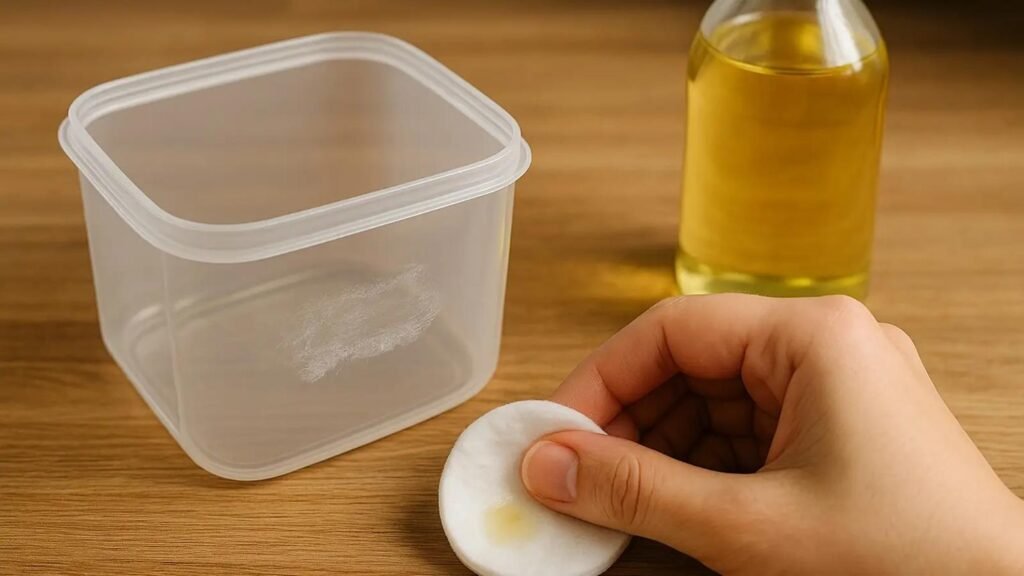
Plastic can be particularly difficult to clean because different types react differently to solvents. Acetone may soften, cloud or damage some plastics, so begin with a gentler method.
Step-by-step method
- Allow the glue to set. Avoid spreading wet glue across a larger area with a cloth.
- Apply vegetable oil. Put a small amount on a cloth or cotton pad and gently dab the dried adhesive.
- Allow time to work. Leave the oil on the affected area for a while, checking periodically to see whether the glue is loosening.
- Lift the glue carefully. Use a plastic card or blunt plastic scraper to work under the softened adhesive without scratching the surface.
- Clean the area. Wipe away the residue with mild soapy water, then dry with a clean cloth.
If the glue remains firmly attached, repeat the process rather than applying excessive force.
What should you avoid?
Do not immediately reach for acetone or a metal blade. Either can damage the plastic, depending on its type and finish.
For valuable items, electronic housings or delicate plastic components, check the manufacturer’s cleaning recommendations before attempting removal.
2. How to Remove Super Glue from Glass
Glass is generally more resistant to common adhesive-removal solvents than many plastics. However, coatings, decorative finishes and nearby materials may still be vulnerable.
Step-by-step method
- Soften the adhesive. Hold a cloth dampened with warm, soapy water against the affected area if the item can safely tolerate moisture.
- Try a small amount of suitable solvent. If the glue remains, test acetone on an inconspicuous area first, away from painted borders, plastic seals and coatings.
- Wait for the glue to soften. Follow the solvent manufacturer’s instructions and avoid flooding the surrounding area.
- Remove the residue. Gently lift the loosened adhesive with a plastic scraper.
- Wipe clean. Use a clean cloth to remove the remaining residue and dry the glass.
For a small glue spot on an ordinary glass surface, this method may be sufficient. Stubborn adhesive may require several gentle applications.
Tip: Avoid using a razor blade unless you are experienced with the specific glass surface. Scraping can cause scratches or damage coatings, and it is not appropriate for every type of glass.
3. How to Remove Super Glue from Metal
Metal surfaces are often suitable for solvent-assisted adhesive removal, but painted metal, polished finishes and protective coatings need extra care.
Step-by-step method
- Clean the surrounding area with a damp cloth and allow it to dry.
- Test a small amount of acetone on a hidden spot, especially if the metal is painted or coated.
- If the finish is compatible, apply a small amount of acetone to a cloth or cotton pad.
- Hold it against the dried glue until the adhesive begins to soften, following the product instructions.
- Gently lift the residue with a plastic scraper, taking care not to scratch the surface.
- Wipe away remaining residue and clean the area according to the material manufacturer’s recommendations.
For uncoated metal tools or hardware, this approach may work well. For painted furniture, vehicle bodywork, plated metal or decorative finishes, use a compatible adhesive remover and follow its instructions.
Never mix cleaning chemicals, and keep solvent vapours away from flames and ignition sources.
4. How to Remove Super Glue from Wood
Removing super glue from wood requires care because the adhesive may penetrate the grain or affect the finish.
The right approach depends on whether the wood is unfinished, painted, stained, varnished or laminated.
Step-by-step method
- Start gently. If the glue has formed a raised drop, try lifting the edge carefully with a plastic scraper.
- Try a small amount of oil if appropriate. On a suitable unfinished surface, oil may help loosen some residue. Test first because it can stain wood.
- Avoid soaking the wood. Excess moisture can affect the material and its finish.
- Use solvent cautiously. Acetone can strip varnish, paint and other coatings. Do not apply it without confirming compatibility.
- Clean and inspect. Remove any residue using a method suitable for the specific wood and finish.
If the glue has penetrated the grain or affected a visible finish, professional refinishing may be safer than aggressive scraping.
For furniture and decorative wooden items, preserving the finish is often more important than removing every trace of adhesive immediately.
5. How to Remove Super Glue from Fabric
Super glue can bond to fabric fibres, making removal more complicated than cleaning a hard surface.
The safest method depends on the fabric composition, colour and care instructions.
Step-by-step method
- Allow the glue to harden rather than rubbing it into the fibres.
- Carefully remove any raised, brittle pieces without pulling or tearing the fabric.
- Check the garment’s care label and test any proposed cleaning product on a hidden area.
- If the fabric is washable, follow its care instructions and use a suitable cleaning method.
- If the material is delicate, valuable or labelled dry-clean only, consult a professional cleaner before applying solvents.
Acetone may discolour some fabrics or damage synthetic fibres. Do not assume that a method suitable for glass or metal is safe for clothing.
Avoid placing a glue-stained garment in a tumble dryer until the stain has been dealt with, as heat may make some stains more difficult to treat.
6. How to Remove Super Glue from Skin
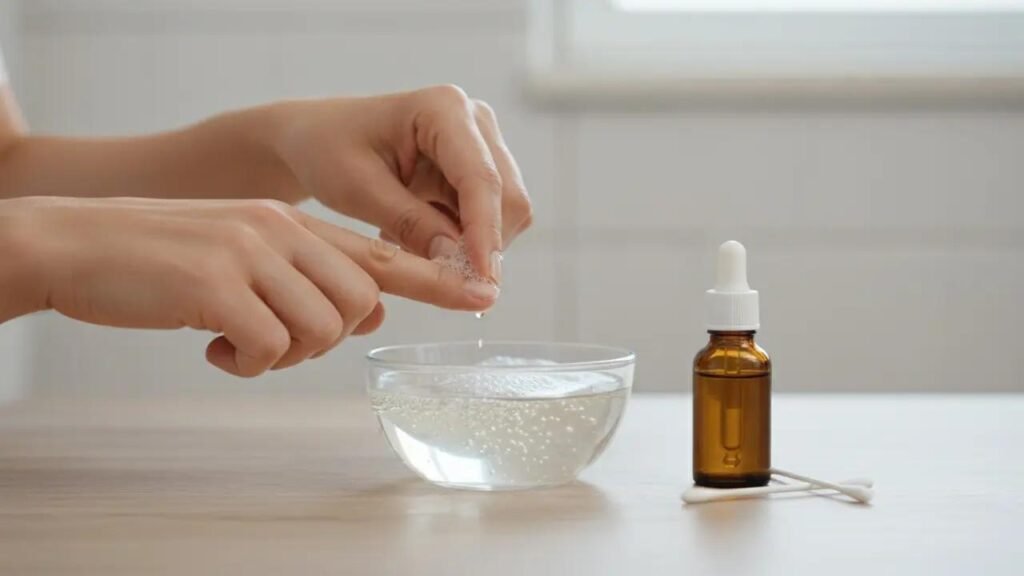
Getting super glue on your fingers is a common accident, but it is important not to force bonded skin apart.
Super glue can irritate the skin, and pulling stuck fingers apart can cause injury. Large amounts can also generate heat as the adhesive hardens.
Step-by-step method
- Soak the affected area. Place the skin in warm, soapy water to help soften the adhesive.
- Be patient. Continue soaking and gently moving the affected area as the glue begins to loosen.
- Try a gentle alternative. Vegetable oil, mineral oil or petroleum jelly may help loosen the bond.
- Separate the skin gradually. If the adhesive loosens, gently roll or ease the bonded area apart without pulling forcefully.
- Wash the area. Once the glue has loosened, wash the skin with soap and water.
Acetone can irritate and dry the skin, so it should not be the first choice. Never apply it to broken or irritated skin.
If the glue causes severe pain, a burn, significant irritation or a large bonded area, seek medical advice.
What if super glue gets into your eyes or mouth?
This requires a different response from an ordinary glue spill.
- Eyes: Rinse the eye with water for 15 minutes if glue gets into it. Do not force stuck eyelids open or apply acetone near the eye. Seek urgent medical guidance.
- Mouth: Do not force bonded lips or tissues apart. Rinse the mouth with water and seek medical advice if glue is stuck inside the mouth or causes difficulty breathing or swallowing.
- Large skin exposure: Seek urgent medical advice if there is significant pain, heat-related injury or a large amount of hardened glue.
For serious exposure, contact your local emergency service or poison information service.
Which Method Is Best for Removing Super Glue?
Different surfaces require different approaches. Use this table as a starting point, not a substitute for checking the material manufacturer’s instructions.
| Surface | Method to try first | Main precaution |
|---|---|---|
| Plastic | Vegetable oil and a plastic scraper | Avoid acetone unless compatibility is confirmed |
| Glass | Warm soapy water, followed by a compatible solvent if needed | Protect coatings, seals and painted edges |
| Uncoated metal | Compatible acetone application and gentle lifting | Avoid scratching the surface |
| Painted metal | Gentle cleaning and a finish-compatible remover | Solvents may strip paint |
| Wood | Gentle lifting and a finish-appropriate cleaning method | Avoid soaking or damaging varnish |
| Fabric | Care-label-approved cleaning method | Solvents may discolour or damage fibres |
| Skin | Warm, soapy water and gentle loosening | Never pull bonded skin apart |
The general rule is to start with the gentlest method, test any cleaning product first and repeat the process rather than using excessive force.
Common Mistakes to Avoid When Removing Super Glue
Even when the right removal method is available, a few mistakes can make the problem worse.
1. Pulling bonded skin apart
This can tear the skin and cause injury. Soak the affected area and allow the adhesive to loosen gradually.
2. Applying acetone to every surface
Acetone can damage certain plastics, painted finishes, varnish and fabrics. Confirm compatibility before use.
3. Scraping too aggressively
Metal blades and abrasive tools can scratch glass, plastic, polished metal and furniture finishes. Choose a suitable tool and use minimal pressure.
4. Rubbing wet glue across the surface
This can spread the adhesive and create a larger area to clean. Avoid wiping wet glue around; follow the adhesive manufacturer’s cleanup instructions.
5. Ignoring the product label
Different instant adhesives have different formulations and handling recommendations. Always follow the instructions supplied with the product.
Frequently Asked Questions
Can vinegar remove super glue?
White vinegar may help loosen some adhesive residue on certain surfaces, including some plastics. Results vary, and it may not work on every type of super glue. Test an inconspicuous area first and use a blunt plastic tool to lift loosened residue.
Does WD-40 remove super glue?
Some lubricants may help loosen adhesive residue, but their effectiveness depends on the glue and surface. Check the lubricant manufacturer’s guidance and test the surface first, especially on painted, coated or delicate materials.
How do you remove dried super glue?
Dried super glue can often be softened using a suitable solvent or loosened through careful mechanical removal. The best method depends on the material. Use gentle techniques first and avoid aggressive scraping.
Will acetone damage plastic?
It can. Some plastics may soften, become cloudy, crack or otherwise deteriorate when exposed to acetone. Use a gentler alternative first and confirm compatibility before applying any solvent.
How long does super glue take to come off skin?
It varies according to the amount of glue, the bonded area and the removal method. Warm, soapy water and gentle movement may help, but complete separation can take several hours or longer. Do not force the skin apart.
Can super glue be removed without acetone?
Yes. Warm, soapy water, vegetable oil, petroleum jelly and careful lifting may help in suitable situations. The most appropriate method depends on the material and how firmly the glue has bonded.
Final Thoughts
Knowing how to remove super glue can save time and help protect household items, furniture, clothing and skin. The key is to identify the affected material, choose a compatible removal method and work patiently rather than forcing the adhesive off.
For plastic, begin with a gentle oil-based approach. For suitable glass and uncoated metal, a compatible solvent may help. For wood and fabric, take extra care to preserve the original finish and fibres. If super glue gets on your skin, use warm, soapy water and never pull bonded skin apart.
If you are planning a repair, choosing the right adhesive for the material and application can also help reduce mistakes and unwanted spills.
Explore the Prostik Adhesives range to find suitable bonding solutions for your next DIY, repair or professional project.